Published on: 25th August 2015Category:
Traffiturf is an ideal alternative for applications that need to be resistant to heavy pedestrian or vehicular traffic wear. At Ransom Wood Business Park the surface was used together with block paving which improved the strength of the surface and enhanced the aesthetic appearance to compliment the woodland surroundings. The car park at The Willows complex is used 24 hours a day, 365 days a year.
Despite such constant heavy traffic, the reinforcing fibres in the rootzone have provided a stable sub base for the surface with no movement or deformation. The rootzone has assisted the growth of healthy grass by acting as conduits for air and water to a greater depth thereby drawing the roots downwards and promoting a stronger plant.
Due to Traffiturf having a negative carbon rating it is both environmentally friendly and helps to mitigate the negative impacts associated with buildings.
Published on: 25th August 2015Category:
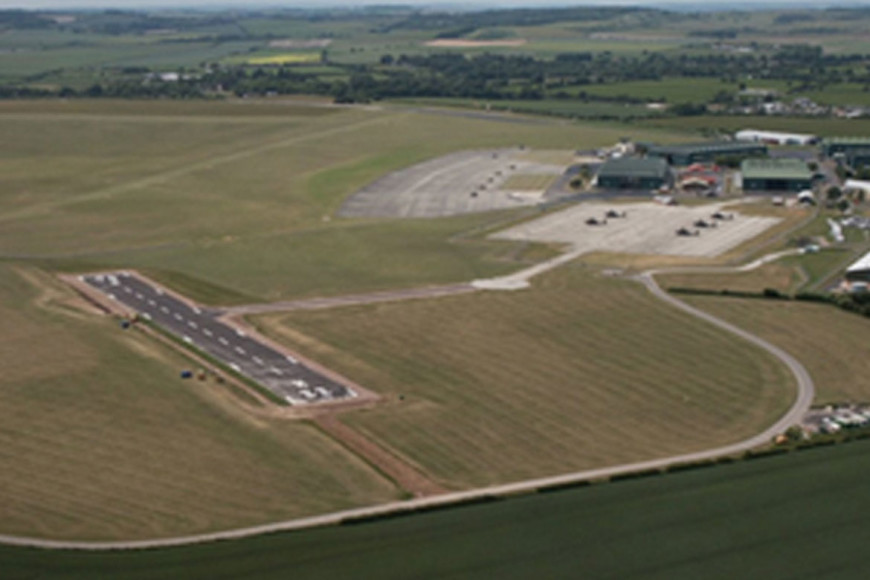
Many years of heavy use has left middle Wallop’s two grass runways in a poor condition. Fibreturf proved to be the perfect solution.
The recent reopening of one of the runways by the School of Army Aviation required its reinstatement to a high standard. Repeated use over many years had left the runway badly deformed. In particular ruts and ridges at the touchdown zones presented major difficulties to pilots, many of whom are trainees.
The use of Fibreturf provided a ready to use, smooth touchdown zone, and also gave it the ability to withstand heavy and repeated aircraft movements.
Millions of interlocking polymer fibres per square metre gives the surface high three dimensional tensile and shear strength, while the specially graded grain structure of the root-zone provides both resistance to compaction and stability in wet conditions.
Fibreturf’s inherent strength provides not only resistance to rutting and sinking under load, but also to lateral movement, making it an ideal solution to Middle Wallop’s operational requirements.
Eighteen months of intensive research by Cranfield University and Silsoe College verified that Fibreturf will repeatedly withstand individual wheel loads of ten tonnes, even in wet conditions.
“Fibreturf has quickly provided an innovative, eco-friendly, value for money solution”
Col. J P Geany
Published on: 24th August 2015Category:
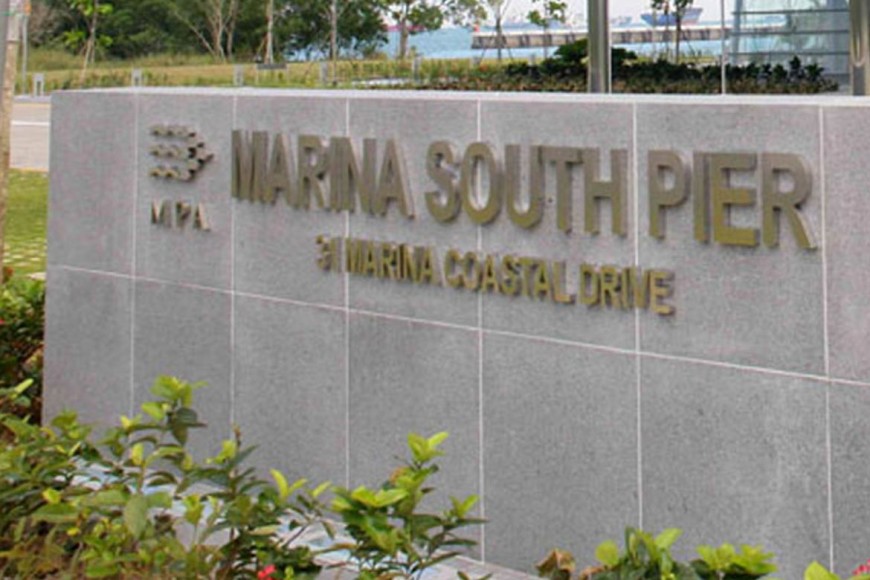
At Clifford Pier the requirement was for a car parking surface using tegular blocks with Fibreturf infill which not only improved the strength of the surface but also enhanced the green aesthetic appearance of the construction.
Fibreturf rootzone has also been used as the supporting layer for both tegular and normal paving blocks. At Clifford Pier it has been laid at a depth of 100 mm to create a reinforced foundation. This replaces 300 mm of stone, gravel and sand which is normally required. This achieved considerable savings in time and material.
Fibreturf is a proven system capable of repeatedly handling wheel loads of up to ten tonnes in severe weather conditions. The surface is the natural choice for environmentally sensitive projects where erosion through foot or vehicle use is a constant dilemma.
Published on: 24th August 2015Category:
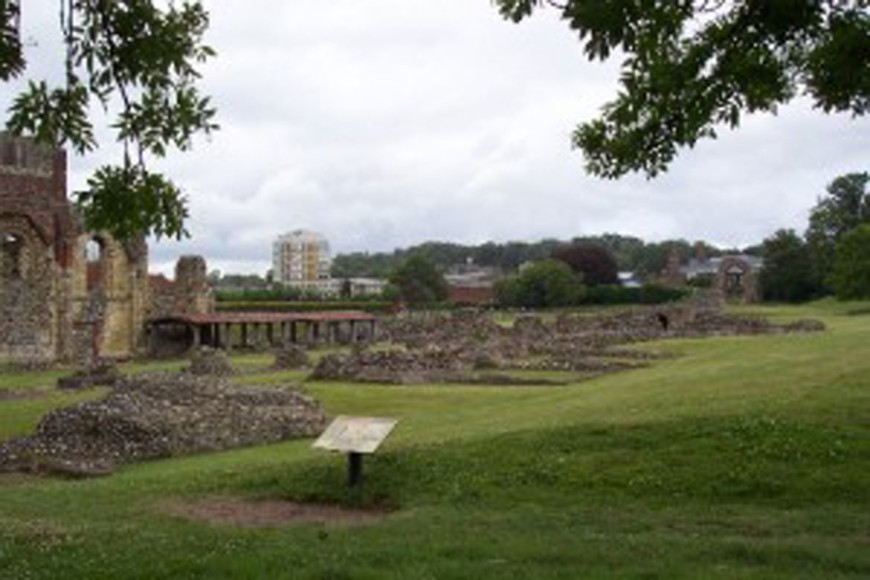
Fibreturf has become an integral part of many National Trust and English Heritage projects including Pendennis Castle, Chatsworth House and St Augustines Abbey. Areas such as these have car parks that take enormous strain and require ready-made surfaces that are more resilient than ordinary turf.
Fibreturf is the natural green solution for car parking, emergency vehicle access and amenity uses due to its inherent strength providing resistance to rutting and loadbearing capabilities.
Its strength characteristics are derived from the interaction between the fibres and sand grains; the presence of grass is not an essential part of the system. Eighteen months of intensive research by Cranfield University, Silsoe College, verified that Fibreturf will repeatedly withstand individual wheel loads of ten tonnes even in wet weather conditions. The research also concluded that the addition of the polymer fibres to a sand soil mixture increased its strength significantly.
Fibreturf provides a superior surface compared with ordinary turf. Enhanced drainage properties helps to protect the grass in persistent wet weather and disperses surface water quickly, while the dense fibre matrix stimulates deeper and stronger root growth. This in turn promotes resistance to drought and aids recovery of the grass following prolonged dry spells or damage from traffic.
Published on: 24th August 2015Category:
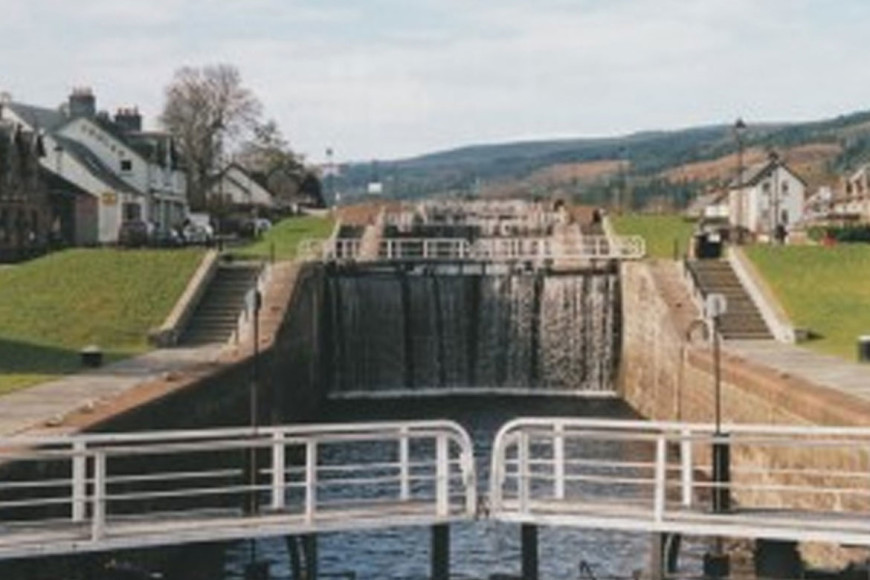
Fort Augustus lies in the centre of the Scottish Highlands surrounded by magnificent scenery on the southern tip of Loch Ness. The village receives approximately half a million visitors a year. The canal lock flight is the centre piece of the village and forms a dramatic, popular and vibrant pedestrian environment. British Waterways Scotland initiated a major landscape scheme after the completion of critical engineering works.
The brief was to develop the initial landscape concept, design development and technical detail. The project sort to create a safe and attractive pedestrian environment and ensure the historical elements and integrity of the lock flight were retained and enhanced.
The design concept followed a policy of minimum intervention to reinforce the flight’s views, its historic content and wider links. This included floodlighting of the lock gates and developing temporary exhibition spaces within the village.
The concept landscape design study successfully attracted European Funding of £450,000 to implement the project. Fort Augustus won the WRA Outstanding Achievement and Design Awards for British Waterways Scotland.